Practical Pointers for Drug Development and Medical Affairs

Authors: 

  • MedSurgPI: Gerald L. Klein, MD; Roger E. Morgan, MD; Freddy Byrth; Marion Stamp-Cole, Stephen Haworth, MD

  • SMART BioWorks: Eric Hacherl, PhD

  • Exquisite Biomedical Consulting: Shabnam Vaezzadeh, MD

  • Global Life Sciences Alliance: Denise McNerney

  • Independent DSMB Coordinator: Jamie Lazar

  • LBF BioPharma Consulting: Larry Florin

  • The Brown Group: Gail Brown, MD

Drug Development

New Guidelines from ICH E6(R3)

The International Council for Harmonisation (ICH) Guideline E6(R3), Good Clinical Practice revision represents a pivotal step toward modernizing clinical trial conduct and oversight. This update redefines how sponsors, investigators, and Medical Affairs teams manage quality and risk, emphasizing participant protection, data integrity, and responsible use of digital technologies.

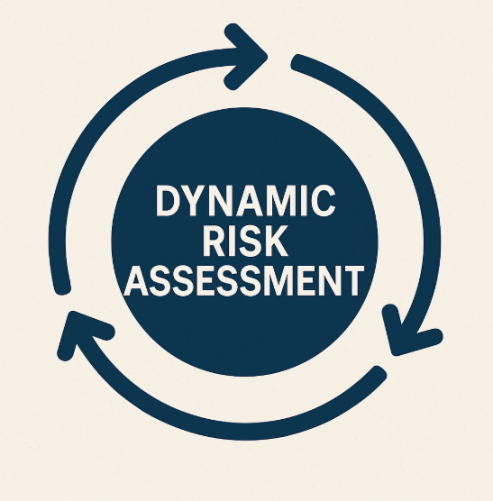
1. Dynamic Risk Assessments (DRA): From Static to Adaptive Oversight

ICH E6(R3) suggests that sponsors develop a risk-based approach to clinical trial/development oversight, with the intensity and focus of activities such as monitoring, data review, and auditing adjusted based on the clinical trial’s complexity and potential impact on the study participants. Importantly, R3 builds upon prior versions of ICH E6 that emphasized Quality by Design (QbD), reinforcing that proactive, design-level quality principles should guide how risks are identified, prioritized, and managed throughout the study lifecycle.

Continuous evolution: These risk assessments should be periodically reviewed and, if needed, updated/changed based on the availability of new/additional data, changes in sites (number, geographic location, operational instructions, etc.), or technology (systems, site-facing interfaces, etc.) that may introduce new risks.

Adaptive monitoring: Replace standardized monitoring plans with real-time, adaptive strategies triggered by defined indicators:

  • Protocol deviations

  • Missing or inconsistent data

  • Emerging safety trends or unexpected adverse events

Independent oversight: Medical monitors and Data Safety Monitoring Boards (DSMBs) play a greater role in interpreting risk signals and ensuring participant safety, extending beyond passive review to include adaptive, data-informed interventions.

This shift aligns with regulatory trends emphasizing quality by design (QbD), risk-based monitoring (RBM), and fit-for-purpose quality systems—concepts central to ICH E8(R1) and E6(R3) alignment. At the heart of this evolution is a focus on “Critical-to-Quality” (CtQ) factors, as oversight activities should concentrate on the processes and data that are essential to assuring participant safety and the accumulation of reliable, interpretable patient data. A key crux of E6(R3) is the shift away from traditional, exhaustive source data verification (SDV) toward data-driven, centralized (statistical) monitoring strategies with a keen focus on critical data.

 2. Reaffirming Participant Safety, Rights, and Well-Being

ICH E6(R3) reaffirms its ethical foundation: participant protection is paramount. Beyond compliance, sponsors must ensure participants are fully informed, empowered, and respected throughout the trial.

Transparency and accessibility: Investigators must have real-time access to new safety data, protocol amendments, and risk communications to ensure timely action at the site level.

Participant communication: Sponsors and Clinical Research Organizations (CROs) must provide safety information that is clear, understandable, and culturally appropriate, supporting autonomy and continued informed consent.

Ethical obligation: Sponsors are responsible not only for data collection but for safeguarding trust which is crucial for sustaining public confidence in research.

 3. Digital Tools: From Operational Efficiency to Ethical Rigor

The guideline acknowledges the growing role of digital and decentralized technologies but reframes their purpose beyond efficiency and cost containment to ensure scientific validity and ethical implementation.

Fit-for-purpose validation: All digital tools (ePRO, wearables, AI analytics) must undergo formal validation to confirm they accurately capture, store, and transmit data as intended.

Ethical use and governance: Establish clear frameworks for data privacy, participant consent, and system reliability, particularly when technology intermediates participant interaction.

Integration with quality management: Digital systems should integrate seamlessly into the trial's risk-based quality framework to reinforce, not replace, scientific and ethical rigor.

Medical Affairs

Upholding Oversight and Quality


1.      Medical Affairs (MA) teams serve as the interface between science, ethics, and communication, ensuring post-marketing and real-world activities align with ICH E6(R3) expectations. As AI becomes embedded in literature surveillance, scientific communication, medical review, and real-world data workflows, MA teams must ensure these tools are used responsibly, transparently, and in alignment with ICH E6(R3)’s quality and data-integrity principles.

 2.      System validation and data integrity: All computerized systems under MA control must be fully validated with robust audit trails, user-access controls, and metadata capture (author, reviewer, approver, time/date stamps). This applies to:

  • Key Opinion Leader (KOL) and stakeholder tracking (Customer Relationship Management) platforms

  • Publication planning and review systems

  • Real-world evidence and registry databases

  • AI-assisted content generation, literature monitoring, and medical insight analytics tools

 3.      Vendor oversight and accountability: Contracts with scientific vendors, communications agencies, and publication partners should clearly define:

  • Scope of work and deliverables

  • Delegated responsibilities and accountability

  • Oversight structure (Medical Affairs vs. vendor roles)

  • Performance metrics: timeliness, data accuracy, conflict-of-interest management, GxP compliance

  • Vendor training requirements: GCP, data privacy, and quality expectations

  • Clearly define Intellectual Property (IP) and practices to maintain IP protections

 4.      Documentation and training: Maintain oversight logs documenting all delegated activities and ensure team members receive training in essential areas, including, but not limited to:

  • Vendor selection and qualification criteria

  • Delegation and accountability management

  • Vendor audits and quality oversight procedures ensuring that participant care and safety decisions are made by competent professionals

  • Scope of work, deliverables, and agreed Key Performance Indicators (KPI)s

These practices demonstrate due diligence and establish clear traceability—key principles reinforced in ICH E6(R3).

Key Takeaway

ICH E6(R3) is not merely a compliance exercise; it's a call to rethink trial oversight as a living system. The guideline promotes balance between flexibility and accountability, urging organizations to align quality, ethics, and innovation at every stage of the trial lifecycle. For sponsors, CROs, and Medical Affairs teams, success depends on transparency, adaptability, and a proactive approach to risk management—hallmarks of modern, patient-centered research.

Practical Pointers for Medical Affairs / June 2025

Authors:  Gerald L. Klein, MD; Roger E. Morgan, MD; Johannes Wolff, MD; Freddy Byrth; Marion Stamp-Cole; Melissa Palmer, MD

bridging innovation and practical application

As treatment regimens for both surgical and medical interventions grow increasingly complex, there is heightened need for focused medical affairs efforts to deliver thorough training and guidance to healthcare providers. Innovations in therapy often come with intricate dosing algorithms, novel mechanisms of action, and sophisticated delivery systems, all of which require clear, accessible, and evidence-based communication from medical teams. Practical aspects such as patient selection, dosage, safety, and tolerability should be clearly and concisely defined. Most devices require a human factors validation study, particularly those intended for patient self-use or in high-stakes clinical environments.

RWE Growth and Alignment

There has been a significant increase in the number of real-world evidence-based studies and their significance in both medical affairs and in product development. For example, PubMedindexed real-world evidence (RWE) publications nearly tripled between 2016 - 2018, rising from 326 to over 930 studies.[1] To foster better communication around this evolving body of work, the Food and Drug Administration (FDA) and the National Institutes of Health (NIH) have developed a standardized glossary of terms specific to real-world data (RWD) and RWE.[2] Adoption of these terms helps ensure consistent interpretation, improves stakeholder communication, and supports regulatory alignment when using RWE in product development and labeling strategies.

Post-Launch Insights that matter

Launching a new product is a tremendous undertaking and also presents a valuable opportunity to gather timely, real-world insights through what we refer to as post-launch data capture. There is generally increased interest and excitement about a new product and early adapters are keen to try this, so it is an ideal time to capture important medical affairs information.

  • This is the time to query patients, healthcare providers (HCPs) and pharmacists on the following:

    • How well is the product understood: This gauges the depth of knowledge and clarity around the product’s mechanism of action, indication, administration route and monitoring requirements. Misunderstandings may lead to suboptimal use or hesitancy in adoption and the feedback helps inform targeted educational intervention.

    • Is it appropriately prescribed and dosed: This evaluates whether prescribers are using the product in accordance with the approved label, real-world best practices, and any clinical guidelines. Dosing errors or off-label trends may indicate gaps in education or highlight the need for label refinement or further clinical clarification.

    • Product effectiveness: This assesses whether the clinical benefits observed in  trials are being replicated in routine clinical practice. Factors such as adherence, comorbidities, and healthcare access may influence this and require RWE follow-up.

    • Perceived product value: Assess the economic and therapeutic value as perceived by both patients and HCPs.  Are the benefits seen as commensurate with the cost, burden of use, or any associated monitoring requirements?  This is critical for market access, payer discussions, and retention. ▪ Willingness for HCPs to prescribe the product:  Investigating barriers that may hinder prescribing behavior (clinical, logistical, financial or psychological). Even highly efficacious products may struggle if providers lack confidence or clarity in how or when to use them.

    • Willingness for patients to use the product: Examining patient acceptance, particularly around tolerability, ease of use, and alignment with lifestyle may lead to the understanding of cultural, social, or health literacy factors that shape decision-making.

    • Additional side effects: Examining emerging safety signals or tolerability concerns that may not have been apparent in the controlled environment of clinical trials which may include mild but impactful events that affect adherence and satisfaction.

    • Additional benefits: Possibly identifying positive secondary outcomes or “halo” effects that weren’t the primary focus of trials but are meaningful to patients or providers. These may include improvements in energy, mood, or comorbidity control and can become valuable talking points in peer-to-peer education and lifecycle management.

References

  1. Makady A, de Boer A, Hillege H, Klungel O, Goettsch W. What is real‑world data? A review of definitions based on literature and stakeholder interviews. Value Health. 2017;20(7):858‑865. doi:10.1016/j.jval.2017.03.008.

  2. Rivera DR, Cutler TL, McShane L, et al. Modernizing Research and Evidence Consensus Definitions: A Food and Drug Administration–National Institutes of Health Collaboration. JAMA Netw Open. 2025;8(6):e2516674. doi:10.1001/jamanetworkopen.2025.16674.

Practical Pointers for Product Development / June 2025

Authors:  Gerald L. Klein, MD; Roger E. Morgan, MD; Johannes Wolff, MD; Freddy Byrth; Marion Stamp-Cole; Melissa Palmer, MD

Developing Drugs for Obesity and Weight loss

  • The general recommendation for a sample size to assess the safety of a weight-reduction drug is 3,000 subjects randomized to the investigational drug within the to-be-recommended dosage range and no fewer than 1,500 subjects randomized to placebo for at least one year of treatment at the maintenance dosage. Sponsors developing multiple dosing regimens should consider a randomization scheme that assigns more subjects to higher doses and are encouraged to discuss the overall size of the safety database with the Agency at or before the end of Phase 2.[1] In addition to these safety considerations, sponsors should align with FDA guidance recommending at least one unsuccessful attempt at lifestyle modification (e.g., diet and exercise) prior to enrollment and should consider removing the ≥5% long-term weight loss requirement as a singular efficacy benchmark. Inclusion of electronic Clinical Outcome Assessments (eCOA) and validated Quality of life (QOL) measures as secondary endpoints is also advised to support potential labeling claims. Furthermore, sponsors are encouraged to propose a pediatric sub-study to address the pressing issue of childhood obesity and explore opportunities for pediatric exclusivity through regulatory pathways that may support patent extension.[2]

  • The recommended sample size will provide 80% power to detect, with 95% confidence, an approximately 50% increase in the incidence of an adverse event that occurs at a rate of 3% in the placebo group (i.e. 4.5% vs. 3%).

  • This sample size would also allow for efficacy and safety analyses to be conducted within important subgroups such as age, sex, race, ethnicity, and baseline BMI, provided that a sufficient number are enrolled in each of these groups.

For all products

  • We recommend strategic refinement to the traditional FDA requirement of two well-controlled Phase 3 clinical trials. Specifically, we propose a hybrid development and approval model designed to maintain scientific rigor while enhancing speed to market and real-world relevance demonstrating robust and statistically significant results. Notably, the FDA has previously granted approval based on a single pivotal study in certain high-need indications, such as Elzonris, approved for blastic plasmacytoid dendritic cell neoplasm (BPDCN) based on a single Phase 2 trial of 94 patients, and Lumoxiti, approved for relapsed/refractory hairy cell leukemia based on a single-arm, open label Phase 3 trial of 80 patients.[3] These examples demonstrate that regulatory flexibility exists when the benefit-risk profile is compelling. We suggest the following approach:

    • Primary Pivotal Trial: Conduct one well-controlled Phase 3 trial demonstrating statistically robust efficacy, safety and tolerability under traditional randomized, controlled conditions. This trial would serve as the primary basis for conditional approval.

    • Conditional Approval Linked to real-World Validation: Upon successful completion of the pivotal trial, conditional approval would be granted with a clear commitment to complete a second Phase 3 trial within a defined timeframe. This second trial would be designed to:

      • Incorporate real-world evidence (RWE) methodologies (e.g., pragmatic design, broader inclusion criteria, decentralized elements).

      • Provide confirmatory data on effectiveness, safety, and tolerability in routine clinical practice.

      • Serve as a tool for refining labeling, guiding post-marketing surveillance, and supporting payer decisions.

This two-step model offers several advantages:

  • Accelerates access to promising therapies for patients in need.

  • Incentivizes real-world accountability through mandatory confirmatory RWE trials.

  • Mitigates risk by anchoring initial approval to high-quality evidence while ensuring continued scrutiny.

  • Aligns with FDAs evolving openness to RWE and flexible development frameworks (e.g., as reflected in 21st Century Cures Act and FDAs guidance). This approach has the potential to accelerate approvals, prevent the approval of ineffectual medications and provide greater safety and tolerability of actual real-world events.[4]

planned protocol deviations

Planned protocol deviations should be avoided in clinical trials to maintain scientific integrity and regulatory compliance. However, in certain complex settings, such as oncology or cell and gene therapy trials, predefined deviations may be necessary due to the individualized nature of treatment or logistical constraints. In such cases, advanced Institutional Review Board (IRB) approval must be obtained, and the rational clearly documented on the protocol or amendment to ensure ethical oversight and participant safety.[5]

References:

  1. https://www.fda.gov/drugs/guidance-compliance-regulatory-information/guidances-drugs

  2. https://www.fda.gov/regulatory-information/search-fda-guidance-documents/pediatric-drug-development-regulatoryconsiderations-complying-pediatric-research-equity-act-and?utm

  3. U.S. Food and Drug Administration. Drug Trial Snapshot: ELZONRIS. FDA website. Published December 21, 2018. Accessed July 2, 2025. https://www.fda.gov/drugs/drug-approvals-and-databases/drug-trial-snapshot-elzonris

  4. Burns L, Roux NL, Kalesnik-Orszulak R, Christian J, Hukkelhoven M, Rockhold F, Khozin S, O’Donnell J. Real-world evidence for regulatory decision-making guidance from around the world. Clinical Therapeutics. 2022;44(3):420-437. doi:10.1016/j.clinthera.2021.12.013.

  5. U.S. Food and Drug Administration. Protocol Deviations – A Regulatory Perspective: Draft Guidance for Industry. Silver Spring, MD: FDA; April 2024. Available at: https://www.fda.gov/media/184745/download.

Practical Pointers for February 2025: Asymmetric Weight Distribution: Using the Carematix Scale in Clinical Practice

Authors: Michael Fath, PhD; Gerald L. Klein, MD; Roger E. Morgan, MD

WHAT IS ASYMMETRIC WEIGHT DISTRIBUTION?

When patients favor one side of their body over the other while standing or walking, they're exhibiting asymmetric weight distribution (AWD). This common finding accompanies numerous neurological conditions and can significantly impact mobility, balance, and fall risk.

While we've traditionally relied on expensive force platforms or pressure mats to quantify AWD, a new patented weight scale by Carematix offers a practical alternative that doesn't require a trip to the gait lab.  MedSurgPI is partnering with Carematix to bring this innovation to clinicians across the US.

The Carematix Advantage

The Carematix scale measures weight-bearing through each limb in real-time, providing immediate feedback on asymmetry. Unlike bulky force platforms, it’s portable, affordable, and interfaces with most Electronic Medical Record (EMR) systems.[1]


Condition-Specific Applications

Stroke:

  • What we See: Post-stroke patients typically bear 60-80% of their weight on the unaffected side.[2]

  • Why it Matters: Persistent AWD correlates with slower walking speeds, reduced community mobility, and increased fall risk.[3]

  • How We Use It:

    • Baseline AWD measurements help quantify impairment severity

    • Weekly measurements track improvement during rehab

    • Patients use visual feedback during weight-shifting exercises

      • Remote monitoring between visits catches regression early[4]


Clinical Nugget: A 10% improvement in weight symmetry often translates to significant functional gains in stair navigation.[6]

Parkinson’s Disease

  • What We See: Subtle AWD often appears years before clinical diagnosis.[6]

  • Why It Matters: Worsening asymmetry may signal medication wearing off or disease progression.

  • How We Use It:

    • Track responses to levodopa throughout the day

    • Guide DBS programming by measuring immediate effects on symmetry

    • Identify fall risk before clinical observation catches it[7]

Clinical Nugget: We’ve found that AWD measurements better predict freezing of gait than standard clinical scales.[8]

Cerebral Palsy

  • What We See: Children with CP often develop compensatory patterns that create longstanding AWD.

  • How We Use It

    • Guide orthotic adjustments in real-time

    • Measure immediate effects of spasticity interventions

    • Track post-surgical weight-bearing patterns[9]

    • Provide objective feedback during therapy sessions


Clinical Nugget: For pediatric patients, turning AWD measurement into a game (“balance the scale!”) significantly improves engagement.

Neuromuscular Disorders

  • What We See: Progressive conditions like ALS and MS show evolving patterns of asymmetry.

  • Why It Matters: Changes in AWD often precede functional decline.

  • How We Use It:

    • Track disease progression between clinic visits

    • Guide assistive device selection and adjustment

    • Inform home modification recommendations[10]

    Clinical Nugget: Weekly AWD tracking has helped us identify MS exacerbations an average of 10 days earlier than patient self-report.[11]


Incorporating Into Your Practice

Getting Started

  1. Establish your patient’s baseline AWD during initial evaluation

  2. Document the percentage of weight bornre on each side

  3. Set symmetry targets based on diagnosis and functional goals

  4. Re-measure at each visit to track progress

Reimbursement Tips

  • AWD measurement is billable under CPT97750 (Physical Performance Test)

  • Remote monitoring qualifies for RPM codes 99453, 99454, and 99457

  • Document medical necessity by connecting AWD to fall risk or functional limitation


Practical Case Example:

Patient: 68-year-old male, 4 weeks post-stroke

Initial AWD: 75% on right (unaffected side)

Intervention: Twice-weekly PT with Carematix feedback during standing exercises + home program with portable scale

8-Week Result: Improved to 57% weight on right side; 10-meter walk speed increased from 0.5 to 0.8 m/s.[12]


Bottom Line: The Carematix scale turns the abstract concept of “weight-bearing symmetry” into an objective, measurable target for both clinicians and patients. It’s a practical tool that delivers relevant data without breaking your budget or workflow.

Have you incorporated AWD measurement into your practice? Share your experience with us at info@medsurgpi.com


References

[1] Winter DA, et al. (2005). Biomechanics and Motor Control of Human Movement. Wiley.

[2] Patterson KK, et al. (2010). "Gait asymmetry in stroke: Determinants and implications for rehabilitation." Neurorehabilitation and Neural Repair, 24(8), 728-735.

[3] Mancini M, et al. (2018). “Mobility and balance in Parkinson’s disease: A review. “Movement Disorders, 33(5), 24-38.

[4] Wang J, et al. (2015). “Remote monitoring in stroke rehabilitation.” Stroke Rehabilitation and Recovery, 10(4), 247-253.

[5] Laufer Y, et al. (2003). “The effects of balance training on gait symmetry in stroke patients.” Clinical Rehabilitation, 17(5), 478-489.

[6] Palmisano C, et al. (2020). “Gait asymmetry in Parkinson’s disease.” Frontiers in Neurology, 11, 585.

[7] Ashburn A, et al. (2001). “Postural instability and fall risk in Parkinson’s disease.” Movement Disorders, 16(5), 946-952.

[8] Mancini M, et al. (2012). “Longitudinal assessment of balance and gait in Parkinson’s disease.” Journal of Neurology, 259(7), 1337-1346.

[9] Tedroff K, et al. (2011) “Surgical outcomes and balance in children with cerebral palsy.” Journal of Pediatric Orthopedics 31(8), 853-859.

[10] DiFabio RP. (1995). “Balance measurement in the elderly and in individuals with neuromuscular deficits.” Physical Therapy, 75(6), 475-491.

[11] Sosnoff JJ, et al. (2011) “Mobility in multiple sclerosis: Relationship between AWD and fall risk.” Neurorehabilitation and Neural Repair, 25(8), 735-742.

[12] Lee MJ, et al. (215). “Asymmetrical weight bearing as a marker of functional recovery following stroke.” Journal of Rehabilitation Medicine, 47(4), 373-389.

Practical Pointers for Product Development and Medical Affairs / May 2023

Written by: Gerald L. Klein, MD; Roger E. Morgan, MD; Shabnam Vaezzadeh, MD; Burak Pakkal, MD and Michael Fath, PhD

Product Development

  • Academic Innovation Centers can serve as pivotal hubs in the context of product development. These hubs can be a focal point in the development of entrepreneurial centers. The ideal center combines diverse university schools of science, nursing, engineering, dental, pharmacology, and dentistry medicine along with a business school. If they can break down the myriad of academic political walls and combine forces with regional governments, state governments, and industry, they can develop a scientific and economic powerhouse. Tremendous centers of innovation and entrepreneurship have been established in the Boston, San Francisco, San Diego, NJ/NY Corridor, and in Research Triangle Park, North Carolina. Academic leadership should proactively enhance the effectiveness of their innovation centers in order to be more effective.

  • Efficient clinical trial enrollment is a critical factor in successful product development. Poor patient enrollment into clinical trials is one of the main reasons for study failure. This is an expensive, time-consuming process. One way that may aid this process is to use Artificial Intelligence (AI) to help with enrollment. There are many AI systems available to achieve this critical goal. Some examples include:

    • IBM Watson Health: Uses machine learning and Natural Language Processing (NLP) to analyze medical records and identify eligible patients for clinical trials. Provides predictive analytics for patient recruitment and engagement.

    • Deep 6 AI: Leverages AI to match patients to clinical trials by analyzing structured and unstructured data from electronic health records. Focuses on speed and accuracy in patient identification.

    • TriNetX: A global health research network that uses real-time access to HER data to identify eligible patients for clinical trials. Offers analytics and patient recruitment solutions.

    • Antidote: Utilizes AI to connect patients with relevant clinical trials. Uses advanced search algorithms to match patient profiles with trial eligibility criteria.

    • CureMetrix: Employs AI to enhance patient identification and engagement through medical imaging analysis and predictive analytics. Helps improve the accuracy of patient matching and recruitment.

    • Clinical AI: Uses AI to streamline the clinical trial process, from patient recruitment to data analysis. Focuses on automating trial management and enhancing patient engagement through AI-driven insights.

  • Include clinical research training for students in health care related programs. Providing proper training for students in medical, nursing, PA, PharmD, and other health care related programs can contribute significantly to product development. We believe that it is important to teach the basic elements of clinical research to all health care students in order to instill the following virtues:

    • Increase their scientific curiosity

    • Enhance their ability to understand the scientific literature

      • Increase their capability to analyze pharmaceutical product effectiveness and adverse effects.

    • Improve their interpretation of clinical trials

    • Be able to apply scientific literature to clinical pracctice

    • Increase the likelihood that students will engage in conducting clinical research and publication

Medical Affairs

  • Webinars serve as a powerful way to get your message out. In order for this to be successful, the target audience must be persuaded to watch this event in either real time or at a later date. This can be enhanced by the following:

    • Selecting appropriate speakers

    • Timing of the event

    • Cutting edge or important subject matter

    • Promotional campaign to attract an audience

  • Strategy: One key strategy in product promotion is to identify a medical need. This could be:

    • Specific populations: consider unique patient groups (e.g., pediatric, geriatric or rare diseases) that require tailored solutions.

    • Intolerant patients: highlight cases where patients cannot tolerate existing therapies. Position your product as an alternative.

    • Niche Situations: Explore scenarios where your product fills a gap. Initiate communication with key opinion leaders (KOLs) and other healthcare providers.

  • Cost-effective data generation using surveys and small studies: The use of surveys and small studies are a cost-effective way to produce data for poster sessions at scientific conferences. This data can be published in a brief publication, and then followed up with subsequent studies and publications. It may be a way to initiate a marketing campaign when you are faced with a low budget.